


An upcoming session in the Political Studies Association’s Annual International Conference 2017:
Participatory and Deliberative Democracy: Sortition and Democratic Representation
Room: Executive Room B
Time Slot: Wednesday 12th April 11:00 – 12:30
Panel Chair: Dr John Boswell (University of Southampton)
Panel Members:
- Mr Keith Sutherland (University of Exeter)
- Dr Brett Hennig (Sortition Foundation)
- Dr Peter Stone (Trinity College Dublin)
- Mr Dimitri Courant (University of Lausanne & University Paris 8)
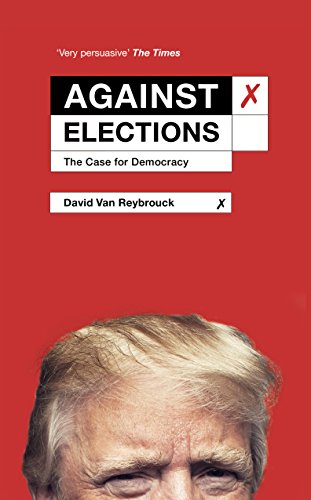
We are witnessing something of a revival in support for sortition, with the idea popularised in particular in David Van Reybrouck’s recent Against Elections: The Case for Democracy. Although the debate around the use of sortition has typically been tied to discussion of mini-publics, this panel seeks to look more broadly at its relationship to democratic theory and democratic practice more broadly conceived. It brings together proponents and sceptics, normative theorists and those whose work is more applied, for a contemporary, lively and varied debate on this age-old topic.
Papers:
- Why I Am Not a Sortinista
Author: Dr Peter Stone (Trinity College Dublin) - Thinking Sortition Modes of selection, deliberative frameworks and democratic principles
Author: Mr Dimitri Courant (University of Lausanne & University Paris 8) -
The End of Politicians? Sortition as a direct, fundamental challenge to electoral politics
Author: -
Blind Break and Invisible Hand.pdf”>The Blind Break, the Invisible Hand and the Wisdom of Crowds: On the political potential of sortition
Author: Mr Keith Sutherland (University of Exeter)
Filed under: Academia, Deliberation, Participation, Sortition, Theory | 5 Comments »

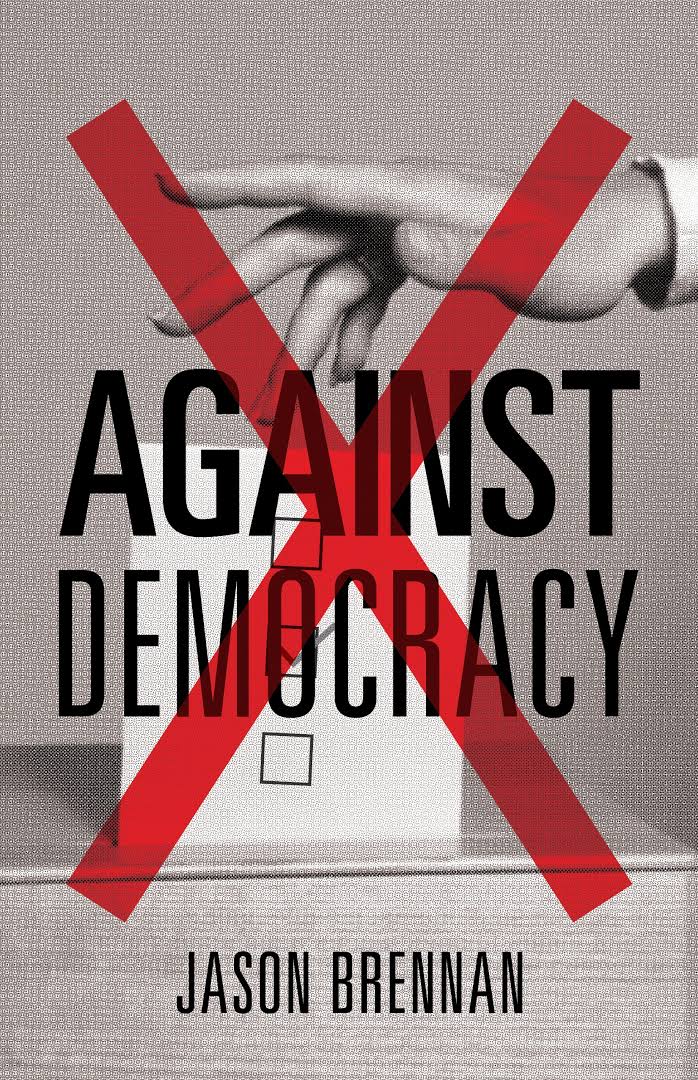

 If Brexit proved anything, it proved that what Christopher Achen and Larry Bartels say in
 Adam Cronkright
 Ali
Ali Ahmed R. Teleb
 avanderven
 avergne
 Alex Kovner
 azakaras
 Brett Hennig
 campbellwallace
 Simon Threlkeld
 Nick Coccoma
 codyhipskind
 Common Lot Sortitionist
 Conall Boyle
 constitutionalism
 davidschecter
 graytmatter
 gtridimas
 H.J. Hofkirchner
 Hanspeter Rosenlechner
 James Kierstead
 John Burnheim
 jgarry20151
 Jochen Krattenmacher
 johnedwardtaylor
 johnhuang865
 Jonathan Crock
 keithsutherland
 Jacob Richter
 kkoreilly
 lukewhito
 SimonPek
 Nathan El
 Nicholas Gruen
 Owen Shaffer
 Patrick Chalmers
 Paul Gölz
 peterstone
 Pierre-Etienne Vandamme
 pronfeld
 Emil
Emil rcaze
rcaze richwbrown
 Roger Knights
 roslynfuller
 Pierre-Etienne Vandamme
 shaharavin
 tbouricius
 Ted Wachtel
 Joshua Laferriere
 theodorestathis
 towardsautonomyblog
 Wayne Liebman
 Yoram Gat
 Oliver Milne
 Equality by lot