


An article by Joe Humphreys, in the The Irish Times, November 19th, 2016:
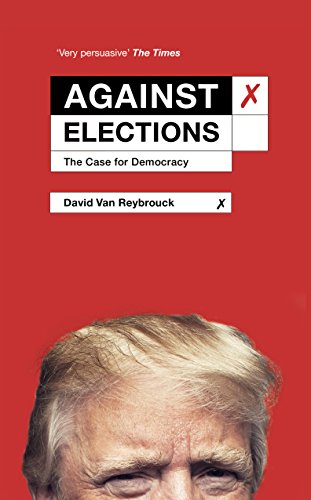
What’s happening to our democracies? Donald Trump’s presidential-election victory in the United States, after a bitter campaign characterised by deceitful and incendiary rhetoric, is not an isolated episode. It’s the natural outcome of what David Van Reybrouck calls democratic-fatigue syndrome.

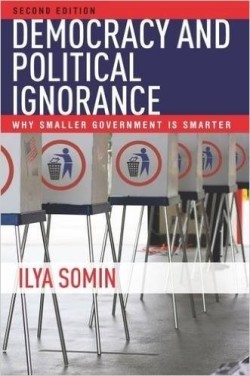
One of the most worrying facets of electoral democracy is what political scientists call rational ignorance. Citizens have negligible chances of influencing which candidates get elected and of influencing those candidates once elected. “Citizens thus have no incentive to become well-informed regarding political affairs,” says Dr Peter Stone of Trinity College Dublin.
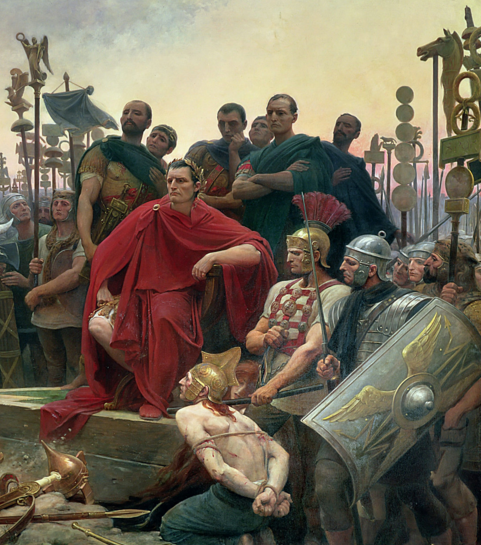
The answer, says Stone, is to find new ways of invigorating democracy, suggesting a much greater role for “citizen juries” randomly selected to serve public roles. This notion of governing by lottery rather than election is at the heart of Van Reybrouck’s book, which has sought to popularise a concept that stretches back to ancient Greece, the birthplace of democracy. In Athens, in the fifth and fourth centuries BC, the most important governmental offices were appointed by sortition, or the drawing of lots.
Filed under: Academia, Athens, Books, Deliberation, Elections, Initiatives, Juries, Participation, Press, Sortition | 22 Comments »
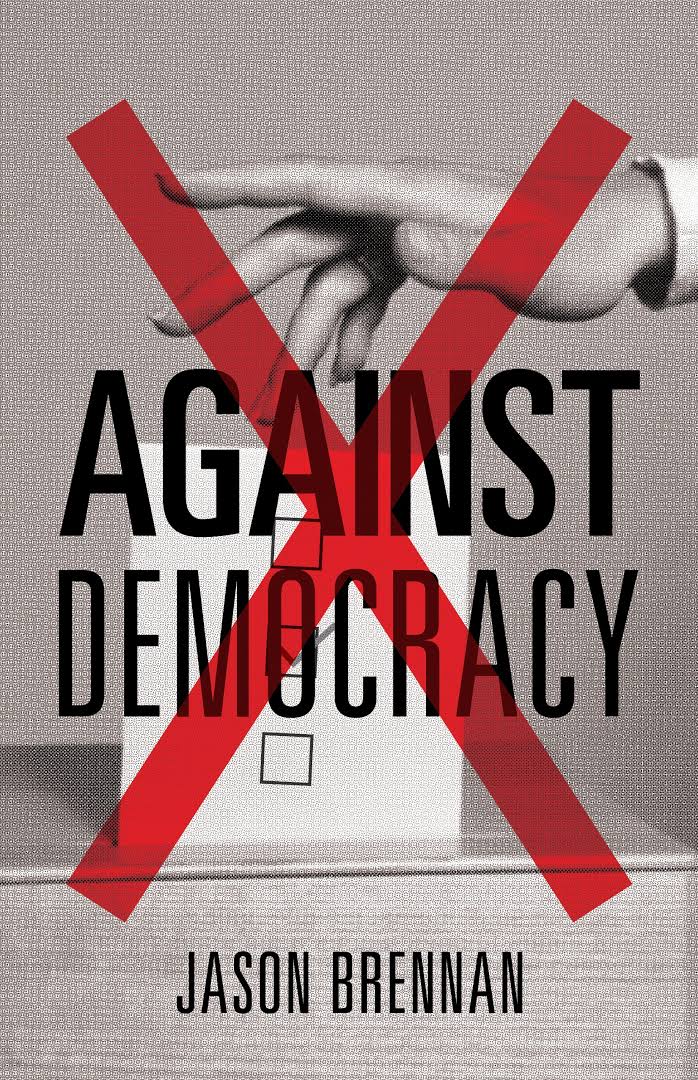


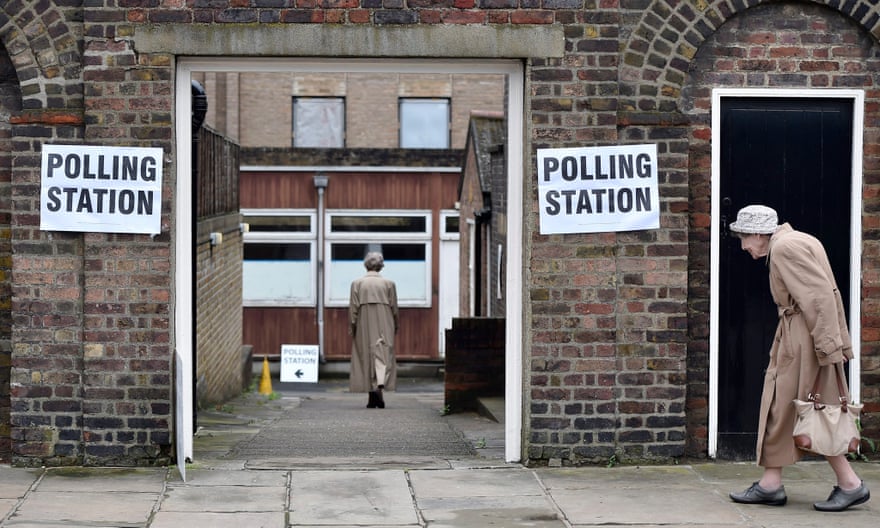
 Let us start from a finding that is at first surprising. We possess no detailed record of an electoral campaign in Athens – despite it being history’s first democracy! There are multiple reasons for this: first, elections may not have necessarily been important events, being considered an aristocratic selection mechanism, being the opposite of the more egalitarian mechanism of sortition. Most importantly, when elections were held – when selecting generals, for example – they were most often if not unanimous then at least less-contentious: because it was never for selecting a single individual, a bitterly competitive affair, but a board of ten magistrates, which made the competition not as harsh.
 Adam Cronkright
 Ali
Ali Ahmed R. Teleb
 avanderven
 avergne
 Alex Kovner
 azakaras
 Brett Hennig
 campbellwallace
 Simon Threlkeld
 Nick Coccoma
 codyhipskind
 Common Lot Sortitionist
 Conall Boyle
 constitutionalism
 davidschecter
 Ethan McCutchen
 graytmatter
 gtridimas
 Henry Tuttle
 H.J. Hofkirchner
 HpR
HpR James Kierstead
 John Burnheim
 jgarry20151
 Jochen Krattenmacher
 johnedwardtaylor
 johnhuang865
 Jonathan Crock
 keithsutherland
 Jacob Richter
 kkoreilly
 lukewhito
 SimonPek
 Nathan El
 Nicholas Gruen
 Owen Shaffer
 Patrick Chalmers
 Paul Gölz
 peterstone
 Pierre-Etienne Vandamme
 pronfeld
 Emil
Emil rcaze
rcaze richwbrown
 Roger Knights
 roslynfuller
 Pierre-Etienne Vandamme
 shaharavin
 tbouricius
 Ted Wachtel
 Joshua Laferriere
 theodorestathis
 towardsautonomyblog
 Wayne Liebman
 Yoram Gat
 Oliver Milne
